It took me some years to understand that many of us are more afraid of happiness than misery. Because misery and martyrdom have an inherent safety about them- one is never particularly vulnerable, nor at risk of disappointment. Unhappiness becomes a security blanket, a way to armor ourselves against deep feeling. On the other hand, happiness has an intrinsically risky quality. When we open our hearts to life, we are always vulnerable to loss, to shattering, to having it all fall away. But it can also expand and deepen, joyfully permeating every element of our life. I can often sense when someone has made unhappiness their shield, their perpetual life stance. And it saddens me. Because locking ourselves into only one way of being is a self-fulfilling prophecy: misery begets misery. Because only through risking something can we arrive at a new perspective. And most significantly, because the rhythms and tides of one’s life can shift in the blink of an eye. All it takes is one sunny day and the whole damn thing can come back to light.
If you want to know the past, to know what has caused you, look at yourself in the PRESENT, for that is the past’s effect. If you want to know your future, then look at yourself in the PRESENT, for that is the cause of the future.
🍾
– Majjhima Nikaya
Holy One,
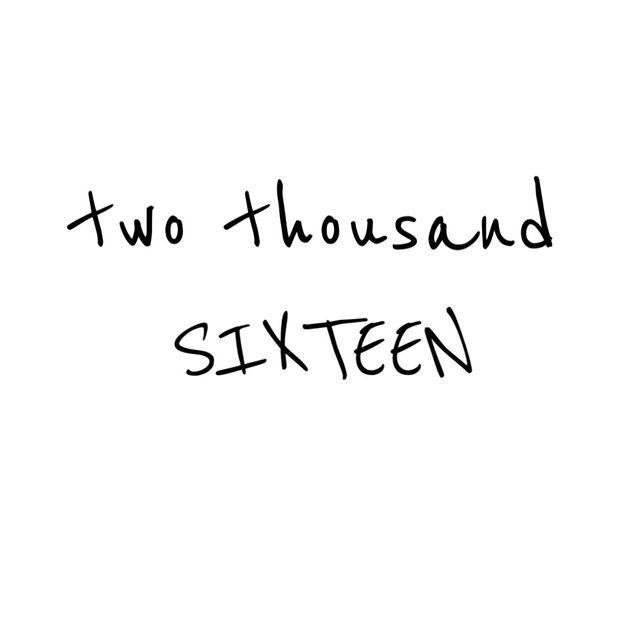
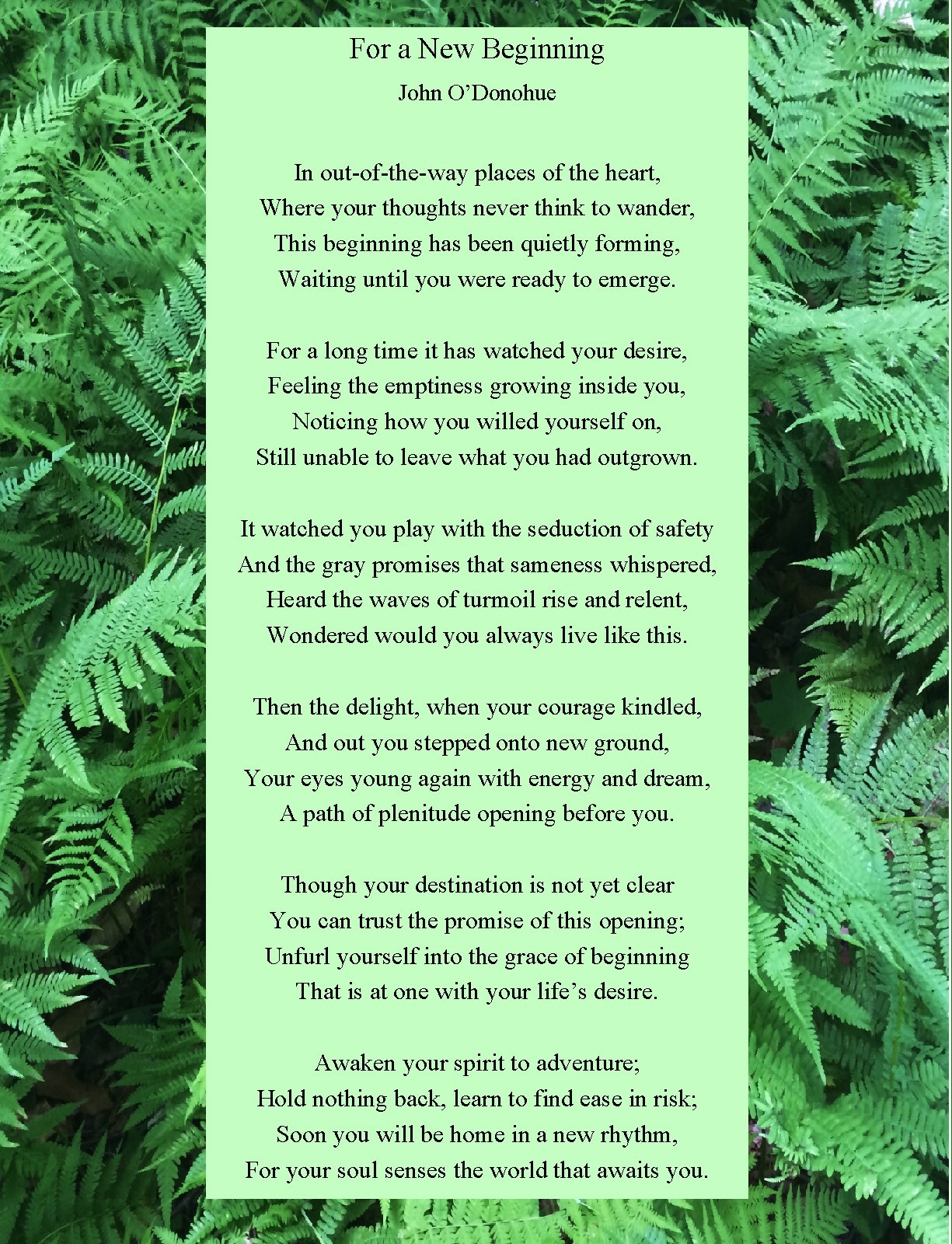
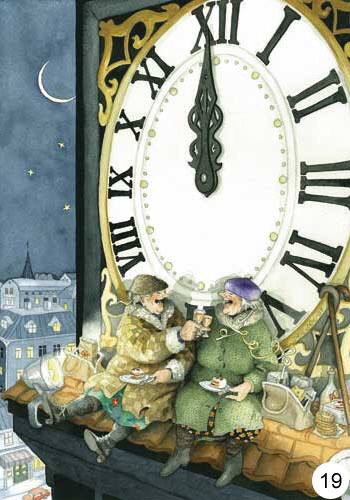
as a new year approaches
I seek to become not a new person
but more myself,
more aware of what is infinitely good in me,
more attentive to you in me,
who you become in me to be.
I am grateful for your presence,
On this day of your life I believe God wants you to know…
…that there is a solution. There is. But you must keep
going to find it. You cannot stop, you cannot give up.
This is about more than just patience. This is about
more than just persistence. This is about absolute
knowing that God is on your side.
When you know this, you never give up…and the
sense of struggle goes away. You simply keep moving
forward knowing that, in the end, all will work out.
And that along the way there will be great insights
and wonderful remembering.
🎇
– Neale Donald Walsh
God Path with Robin OK 12/17/15
🌌
I won’t wish this pain away
I’ll just trust You and obey
won’t search for treasure on this ground
Cause in You my wealth is found
I know this is right where I should be
I will wait for Your light to shine in me
I will praise You every day
I am Yours
Beloved for eternity
Whatever will bring You glory
Whatever will magnify Your name
Whatever will bring You glory
Whatever, my life is not the same
Whatever will show you’re holy
Whatever I do is for Your praise
Whatever to tell my story
Whatever, my heart will sing Your grace
🌅
AL
🌋
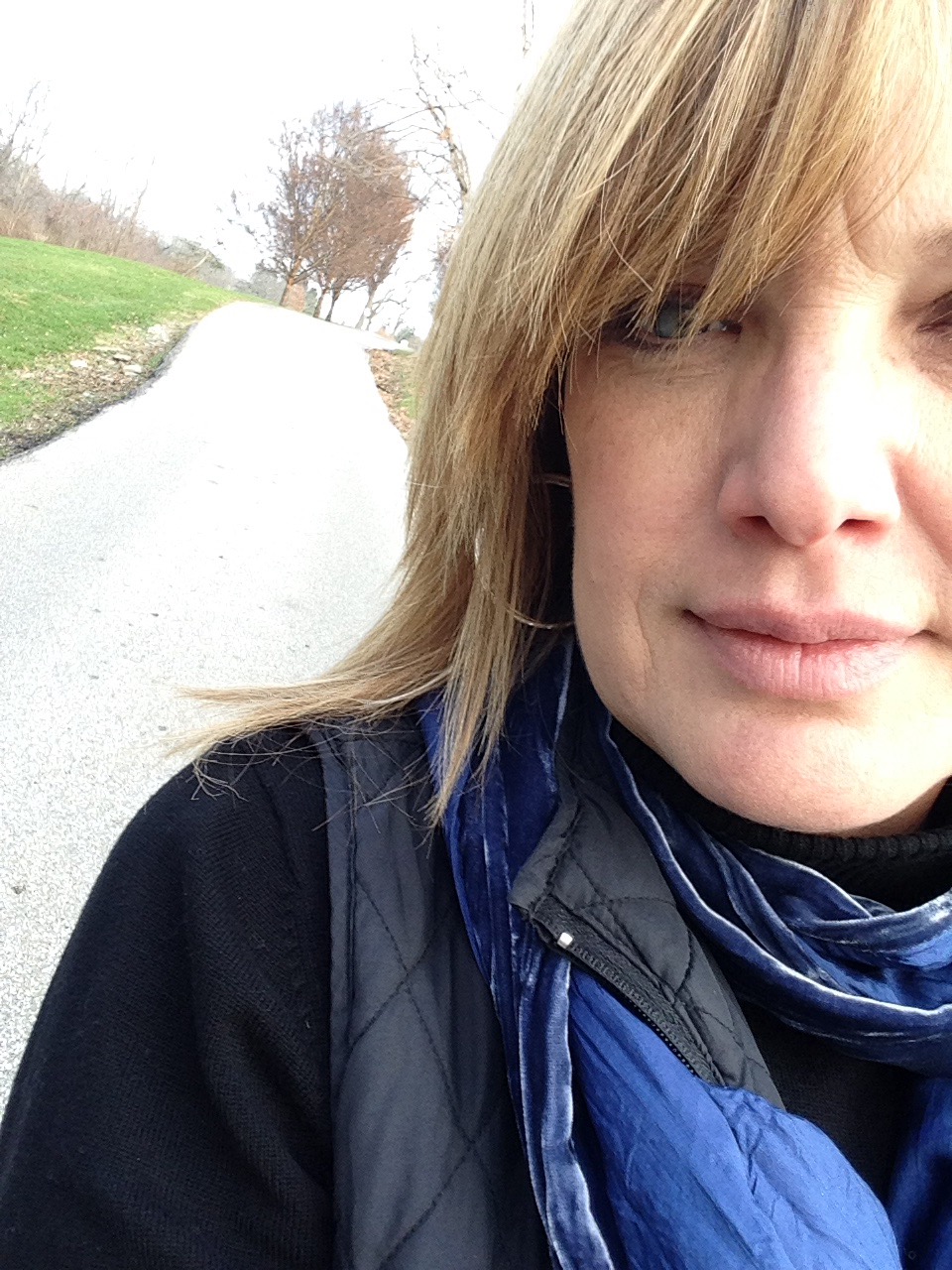
Written on 11/22/13 at French Park in Cincinnati (first pic) Day before following God’s call to go to Louisville. $40 and no place to stay. I lived in my car for several weeks. ❤️ Miracles and adventures abounded….
Anger is the deepest form of compassion, for another, for the world, for the self, for a life, for the body, for the family and for all our ideals, all vulnerable and all, possibly about to be hurt. Stripped of all physical imprisonment and violent reaction, anger is the purest form of care, the internal living flame of anger always illuminates what we belong to, what we wish to protect and what we are willing to hazard ourselves for. What we usually call anger is only what is left of its essence when we are overwhelmed by is accompanying vulnerability, when it reaches the lost surface of our mind or our body’s incapacity to hold it, or when it touches the limits of our understanding. What we name as anger is actually only the incoherent physical incapacity to sustain this deep form of care in our outer daily life; the unwillingness to be large enough and generous enough to hold what we love helplessly in our bodies or mind with the clarity and breadth of our whole being.
What we have named as anger on the surface is the violent outer response to our inner powerlessness, a powerlessness connected to such a profound sense of rawness and care that it can find no proper outer body, or identity, or voice, or way of life to hold it. What we call anger is often simply the unwillingness to live the full measure of our fears or of our not knowing, in the face of our love for a wife, in the depth of caring for a son, in our wanting the best, in the face of simply being alive and loving those with whom we live.
Our anger breaks to the surface most often through our feeling something is profoundly wrong with this powerlessness and vulnerability; anger too often finds its voice strangely, through our incoherence and through our inability to speak, but anger in its pure state is the measure of the way we are implicated in the world and made vulnerable through love in all its specifics: a daughter, a house, a family, an enterprise, a land or a colleague. Anger turns to violence and violent speech when the mind refuses to countenance the vulnerability of the body in its love for these outer things – we are often abused or have been abused by those who love us but have no vehicle to carry its understanding, or who have no outer emblems of their inner care of even their own wanting to be wanted. Lacking any other vehicle for the expression of this inner rawness they are simply overwhelmed by the elemental nature of love’s vulnerability. In their helplessness they turn to violence on the very people who are the outer representation of this inner lack of control.
But anger truly felt at its center is the essential living flame of being fully alive and fully here; it is a quality to be followed to its source, to be prized, to be tended, and an invitation to finding a way to bring that source fully into the world through making the mind clearer and more generous, the heart more compassionate and the body larger and strong enough to hold it. What we call anger on the surface only serves to define its true underlying quality by being a complete but absolute mirror-opposite of its internal source.
🔥
– David Whyte
Our experiences color everything. The events of the past can have a profound effect on how we see our lives now and what we choose to believe about our world. Our past experiences can also influence our emotional reactions and responses to present events. Each of us reacts to stimulus based on what we have learned in life. There is no right or wrong to it; it is simply the result of past experience. Later, when our strong feelings have passed, we may be surprised at our reactions. Yet when we face a similar situation, again our reactions may be the same. When we understand those experiences, we can come that much closer to understanding our reactions and consciously change them.
Between stimulus and reaction exists a fleeting moment of thought. Often, that thought is based on something that has happened to you in the past. When presented with a similar situation later on, your natural impulse is to unconsciously regard it in a similar light. For example, if you survived a traumatic automobile accident as a youngster, the first thing you might feel upon witnessing even a minor collision between vehicles may be intense panic. If you harbor unpleasant associations with death from a past experience, you may find yourself unable to think about death as a gentle release or the next step toward a new kind of existence. You can, however, minimize the intensity of your reactions by identifying the momentary thought that inspires your reaction. Then, next time, replace that thought with a more positive one.
Modifying your reaction by modifying your thoughts is difficult, but it can help you to see and experience formerly unpleasant situations in a whole new light. It allows you to stop reacting unconsciously. Learning the reason of your reactions may also help you put aside a negative reaction long enough to respond in more positive and empowered ways. Your reactions and responses then become about what’s happening in the present moment rather than about the past. As time passes, your negative thoughts may lose strength, leaving only your positive thoughts to inform your healthy reactions.
Daily Om by Madisyn Taylor/Reaction to Life Events






























 life: acoustic & amplified