walking while waiting…not holding onto the breath…finding the shallow end of the pool, gliding full body under the water…raising expectations while others wonder , slightly wandering , forgetting to remember is not an option while the day is so bright…finding fashion foolishly delightful, while taking ones shoes off …holy hours become …earth and flesh blown open , .birthing beyond time and space, then settling into the sunroom for hot peach tea and a tiny croissant…such a simple remedy while walking and waiting…
Beauty,
People don’t like love, they like that flittery flirty feeling. They don’t love love – love is sacrificial, love is ferocious, it’s not emotive. Our culture doesn’t love love, it loves the idea of love. It wants the emotion without paying anything for it.
– Matt Chandler
time wears down
as life takes its anguished toll
of strained shoulders and weary back
from the unyielding pressure of anger’s mighty weight
lash of black eyed look,
the demon,
lying in wait,
blame unleashed
words stripping tender heart skin
of the vulnerable
innocence unprepared for attack
leaving hope in shreds,
shame cocks its hat sideways
flames of passion freeze in place
ice, brittle, cutting
fills veins,
painful,
slicing to ribbons
destroying all goodness in its path
wounds with nothing to hide
nowhere to hide
Only you can change this –
you CAN change this!
I know for sure…
you can…
if you choose to…
God only knows
if you will
🔹
AL
3 spectacular wishes on this day…for every day
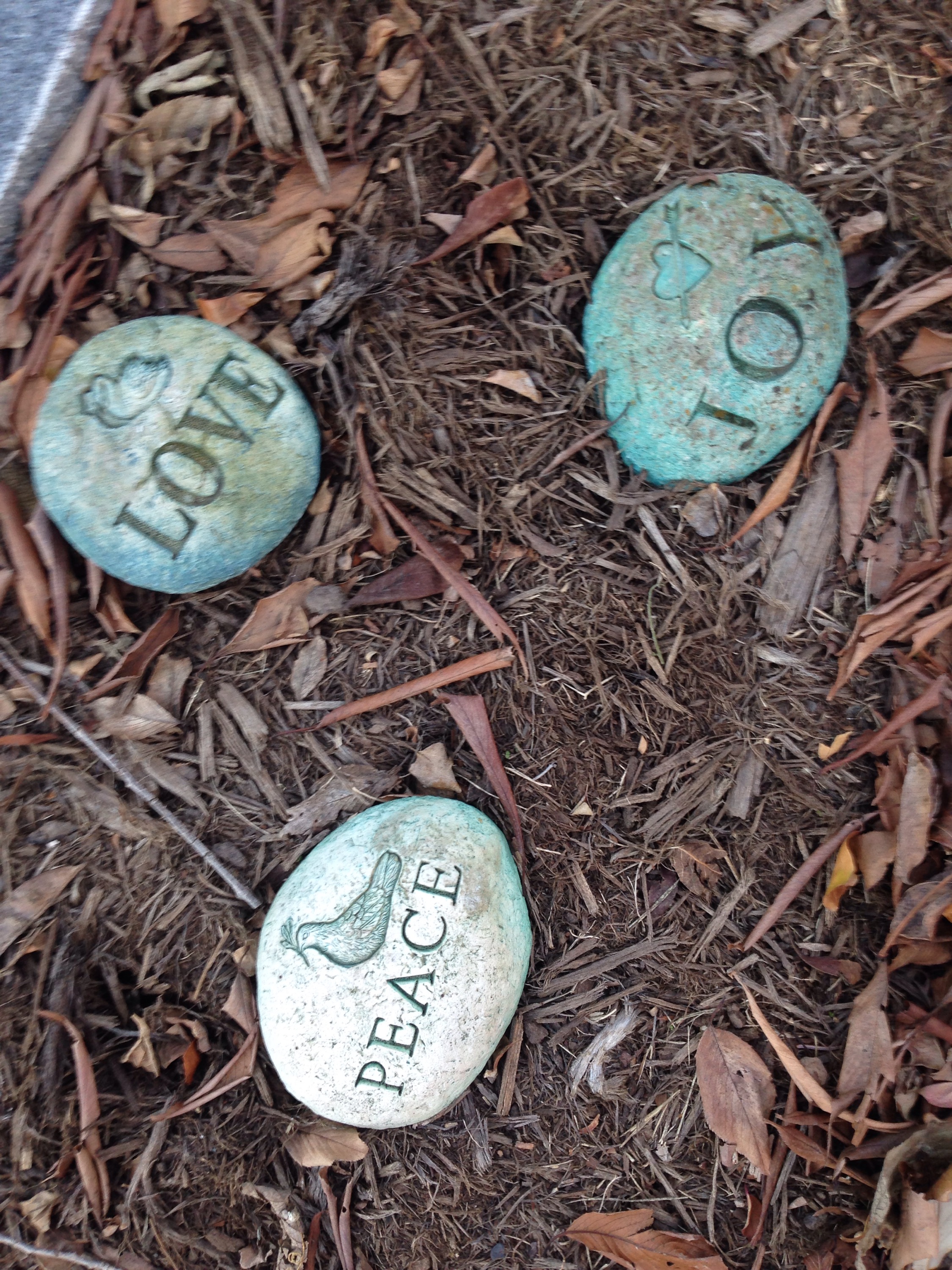
love
home
music
AL 5/13/15
Real riches are the riches possessed inside.
Anger is the deepest form of compassion, for another, for the world, for the self, for a life, for the body, for the family and for all our ideals, all vulnerable and all, possibly about to be hurt. Stripped of all physical imprisonment and violent reaction, anger is the purest form of care, the internal living flame of anger always illuminates what we belong to, what we wish to protect and what we are willing to hazard ourselves for. What we usually call anger is only what is left of its essence when we are overwhelmed by is accompanying vulnerability, when it reaches the lost surface of our mind or our body’s incapacity to hold it, or when it touches the limits of our understanding. What we name as anger is actually only the incoherent physical incapacity to sustain this deep form of care in our outer daily life; the unwillingness to be large enough and generous enough to hold what we love helplessly in our bodies or mind with the clarity and breadth of our whole being.
What we have named as anger on the surface is the violent outer response to our inner powerlessness, a powerlessness connected to such a profound sense of rawness and care that it can find no proper outer body, or identity, or voice, or way of life to hold it. What we call anger is often simply the unwillingness to live the full measure of our fears or of our not knowing, in the face of our love for a wife, in the depth of caring for a son, in our wanting the best, in the face of simply being alive and loving those with whom we live.
Our anger breaks to the surface most often through our feeling something is profoundly wrong with this powerlessness and vulnerability; anger too often finds its voice strangely, through our incoherence and through our inability to speak, but anger in its pure state is the measure of the way we are implicated in the world and made vulnerable through love in all its specifics: a daughter, a house, a family, an enterprise, a land or a colleague. Anger turns to violence and violent speech when the mind refuses to countenance the vulnerability of the body in its love for these outer things – we are often abused or have been abused by those who love us but have no vehicle to carry its understanding, or who have no outer emblems of their inner care of even their own wanting to be wanted. Lacking any other vehicle for the expression of this inner rawness they are simply overwhelmed by the elemental nature of love’s vulnerability. In their helplessness they turn to violence on the very people who are the outer representation of this inner lack of control.
But anger truly felt at its center is the essential living flame of being fully alive and fully here; it is a quality to be followed to its source, to be prized, to be tended, and an invitation to finding a way to bring that source fully into the world through making the mind clearer and more generous, the heart more compassionate and the body larger and strong enough to hold it. What we call anger on the surface only serves to define its true underlying quality by being a complete but absolute mirror-opposite of its internal source.
🔥
– David Whyte
Our experiences color everything. The events of the past can have a profound effect on how we see our lives now and what we choose to believe about our world. Our past experiences can also influence our emotional reactions and responses to present events. Each of us reacts to stimulus based on what we have learned in life. There is no right or wrong to it; it is simply the result of past experience. Later, when our strong feelings have passed, we may be surprised at our reactions. Yet when we face a similar situation, again our reactions may be the same. When we understand those experiences, we can come that much closer to understanding our reactions and consciously change them.
Between stimulus and reaction exists a fleeting moment of thought. Often, that thought is based on something that has happened to you in the past. When presented with a similar situation later on, your natural impulse is to unconsciously regard it in a similar light. For example, if you survived a traumatic automobile accident as a youngster, the first thing you might feel upon witnessing even a minor collision between vehicles may be intense panic. If you harbor unpleasant associations with death from a past experience, you may find yourself unable to think about death as a gentle release or the next step toward a new kind of existence. You can, however, minimize the intensity of your reactions by identifying the momentary thought that inspires your reaction. Then, next time, replace that thought with a more positive one.
Modifying your reaction by modifying your thoughts is difficult, but it can help you to see and experience formerly unpleasant situations in a whole new light. It allows you to stop reacting unconsciously. Learning the reason of your reactions may also help you put aside a negative reaction long enough to respond in more positive and empowered ways. Your reactions and responses then become about what’s happening in the present moment rather than about the past. As time passes, your negative thoughts may lose strength, leaving only your positive thoughts to inform your healthy reactions.
Daily Om by Madisyn Taylor/Reaction to Life Events
Healthy aggression has been given a bad name for far too long. I remember the day when it was acceptable to stand down those who behaved unjustly. Not in a way that was disproportionate to the crime, but in a way that met it right where it lived. This seems to have been lost in the last decades, both because of the softee toffee premature forgiveness movement and because of our growing awareness of the horrifying effects of unhealthy aggression. As a man, I have found this entirely confusing. Often I have stood down injustice with appropriate ferocity and been judged for it, as though I was the unjust one. I have some compassion for this interpretation, as I do recognize that it is difficult for many trauma survivors to not be triggered by aggression of any kind. But something is lost when we don’t make the distinction between the kinds of aggression that rectify wrongs, and those that perpetuate them. It is time to again raise healthy aggression to the rafters of acceptability. Sometimes its the truest path of all.
💪
– Jeff Brown
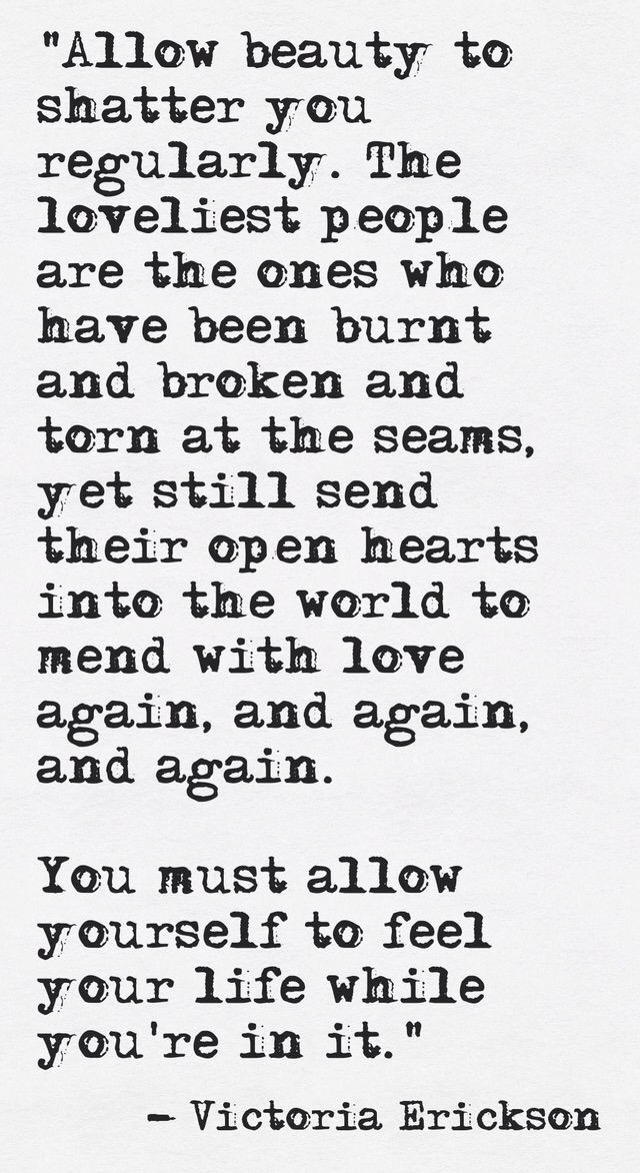
Change and growth are painful
not because we’re gaining,
but because we’re losing.
We lose old ideas.
Old habits. Old stories.
Old comforts.
We shed all that’s become
too heavy to carry onward,
wrapped too tight around skin
that needed to finally breathe.
A body that had to break loose
from the once present chapter.
Blank pages had been begging.
Ink aching to write
a new road and world.
A soul that could no longer deny
the taste of something else.
Something that felt true.
Something not yet seen.
We don’t have to see something
in order to believe.
💪
– an excerpt from Victoria Erickson’s fantastic new book- Edge of Wonder, available on Amazon
It is time to go deeper, to find your rudder
The unswerving truth of who you are
To keep you on track to your destiny.
Some tacking and jibing – yes
But with minor adjustments
On your way once more
Wind at your back to carry you
To ease your way
for a time.
The storms will come, for oceans will be oceans
Fear appears
Fear of being tossed about in the waves
Fear of not surviving rough seas
Fear is to be your teacher
Fear is to be your guide
Fear is to hold your hand as you look beyond the horizon
Of what you have always known
To the truth you can only know
Once you face fear
And see the love in its eyes.



















 life: acoustic & amplified